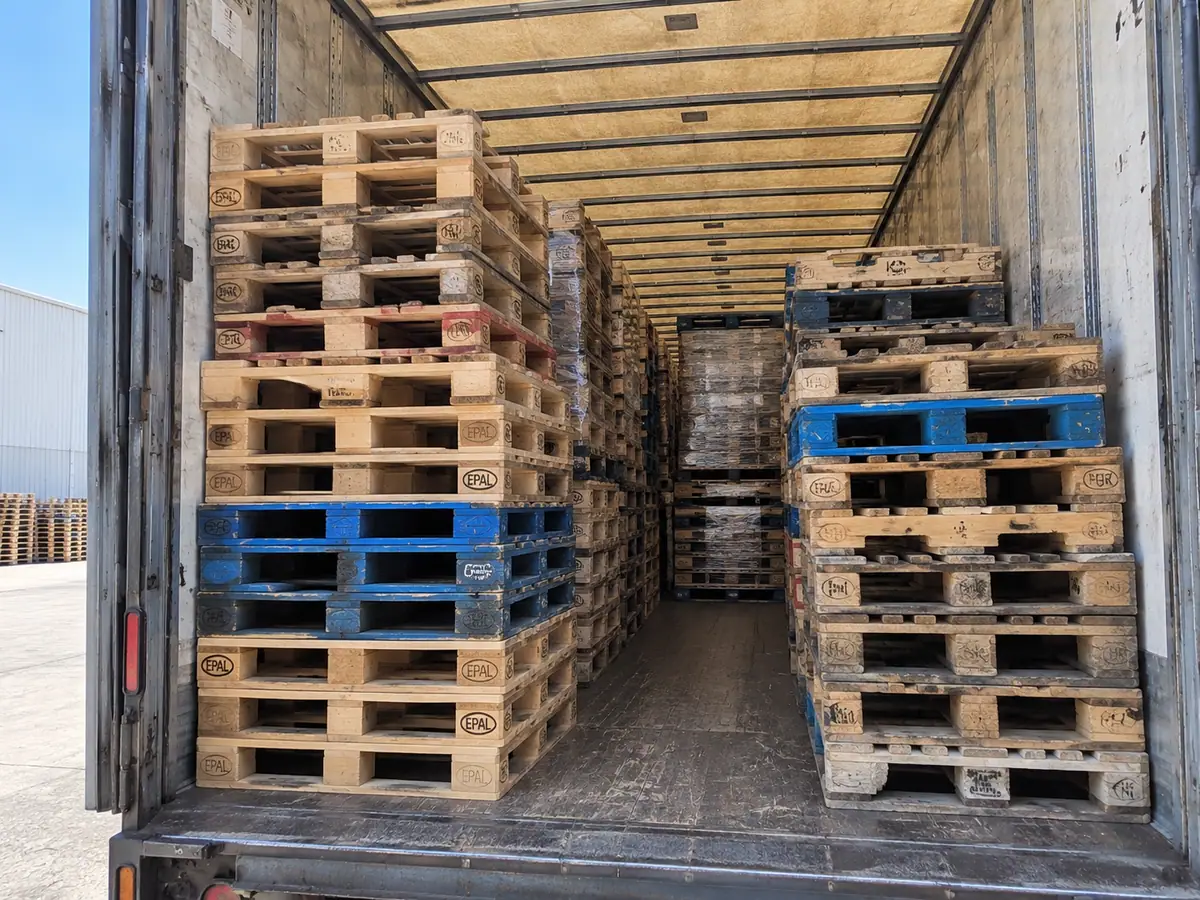
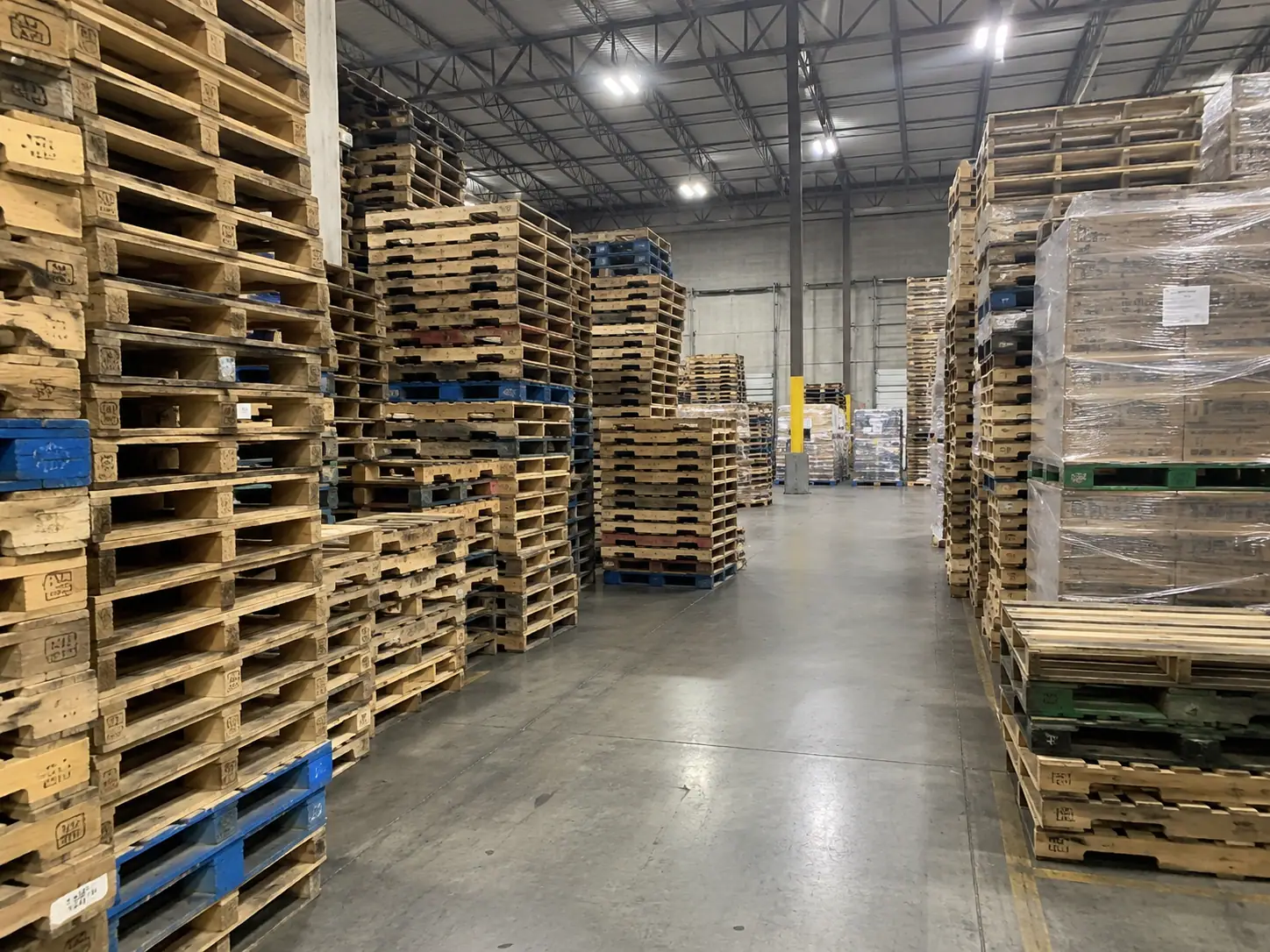
Somebody in your organisation has just become responsible for pallets. It was not in the job description, nobody handed over any documentation, and the last person who understood the arrangement left in 2022.
This happens constantly and there is no shame in it. Here is the shortest path to a competent decision.
Five things to work out first
- What size are you using now? Measure one. If it is 48 by 40 inches, you are on the standard footprint and your life is straightforward.
- Does the pallet come back? Outbound and gone, or internal and returning. This single answer determines the grade you should buy.
- Does it go into racking? If yes, you need Grade A and you should not economise here.
- How many do you use a week? An approximate number is fine. Look at three months of invoices and divide.
- Where do the empties currently go? There may be money sitting behind your dock, or a removal cost you did not know you were paying.
The default answer
For most operations, most of the time: recycled 48×40 GMA. Grade A if it racks or comes back, Grade B if it ships out and does not.
That covers the overwhelming majority of situations. Everything else on this website — the twenty-two footprints, the load rating tables, the construction comparisons — exists for the minority of cases where the default is wrong, and you will know if you are in one of them because something will not fit.
If you are unsure, buy Grade A for a month and see whether anyone notices. It is the safe direction to be wrong in.
| Your situation | Buy | Roughly |
|---|---|---|
| Ships out, never returns | Recycled 48×40, Grade B | $5.00 – $8.50 |
| Goes into racking | Recycled 48×40, Grade A | $7.50 – $12.00 |
| Internal fleet, many cycles a year | New, or Grade A with a repair loop | $17 – $22 new |
| Food or pharmaceutical | Grade A, sorted for odour and staining | $8.50 – $12.50 |
| Retail display | Display-graded recycled | $9.00 – $13.00 |
| Crossing a border | ISPM-15 heat treated | Add $1.10 – $2.20 |
Four questions for every supplier
- Does your Grade A permit a repaired stringer? The most informative question in the trade. There is no wrong answer, but the answer explains most of the price difference between two quotes.
- Is this price delivered or FOB your yard? Freight is 20 to 35% of delivered cost. Comparing a delivered price against an FOB price is comparing nothing.
- What is your moisture threshold at dispatch? Under 19% is the expected answer. No answer means nobody is checking.
- What happens if a load does not match? Listen to how quickly they answer. A supplier grading to a standard replaces without argument.
What not to worry about yet
Species, deck board thickness, nail pattern, block versus stringer construction. All of these matter and none of them matters on your first order.
Get the footprint and the grade right, buy from someone who will answer the four questions above, and pay attention to whether the loads arrive as described. That is a competent pallet operation and it puts you ahead of a surprising proportion of the market.
The optimisation comes later, once you know what your actual failure modes are.