The pallet specification that dominated the twentieth century was written for human handling. It had to be strong, roughly the right size, and cheap. A driver could compensate for the rest.
Automated storage and retrieval systems cannot compensate for anything, and that is quietly rewriting what a good pallet is.
What a machine actually needs
Overall height within a millimetre or two. A shuttle entering a rack location has a fixed clearance. A pallet a quarter of an inch too tall does not fit, and the system does not adapt.
Squareness. Automated conveyors guide on the pallet edge. An out-of-square unit walks off the guides and jams, usually somewhere inconvenient.
Bottom board placement. Chain and roller conveyors need bottom boards in specific positions to bridge the gaps. A pallet with a bottom board two inches from where the system expects it will drop into a gap.
No protruding fasteners and no loose boards. Anything hanging down catches, and in a system running at speed, catching means stopping the line.
Why recycled stock struggles
Every one of those requirements is about consistency, and consistency is exactly what recycled material cannot promise.
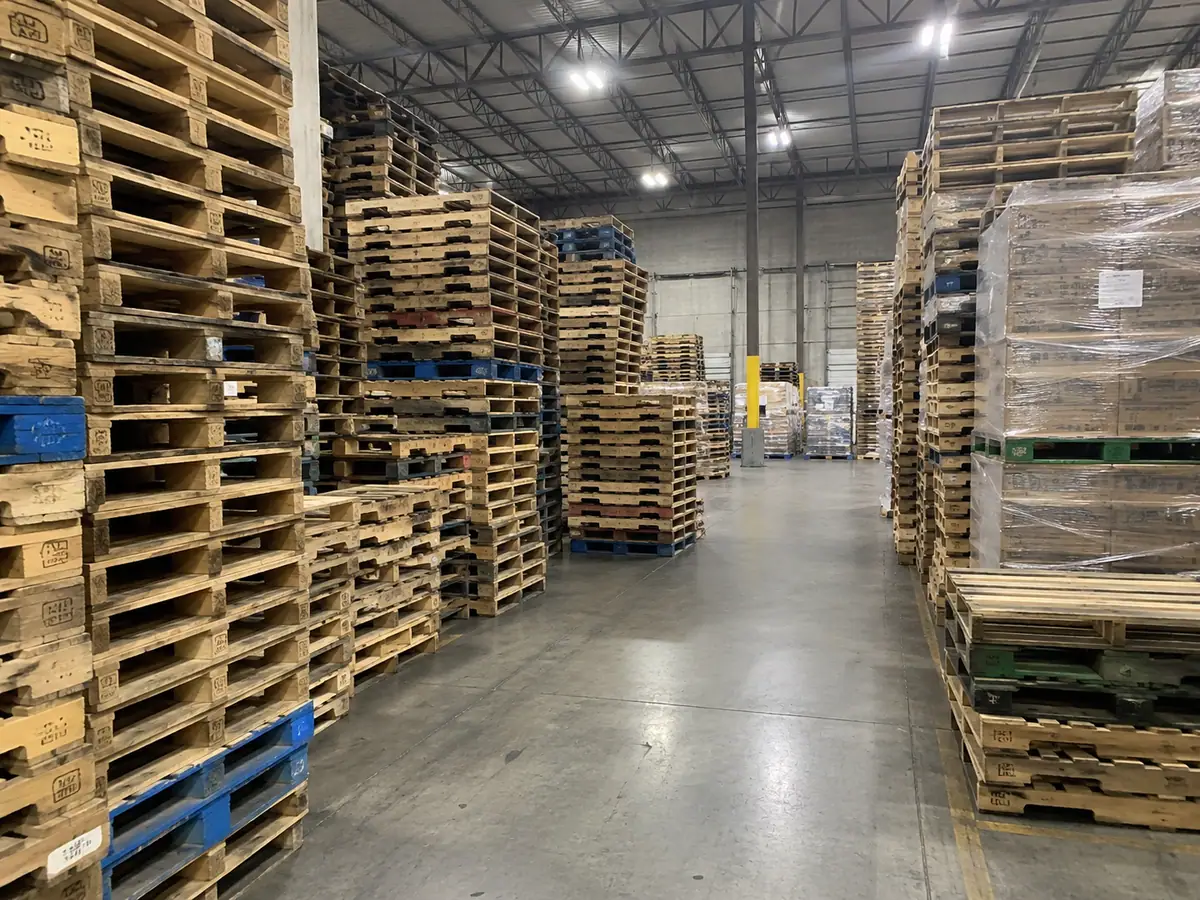
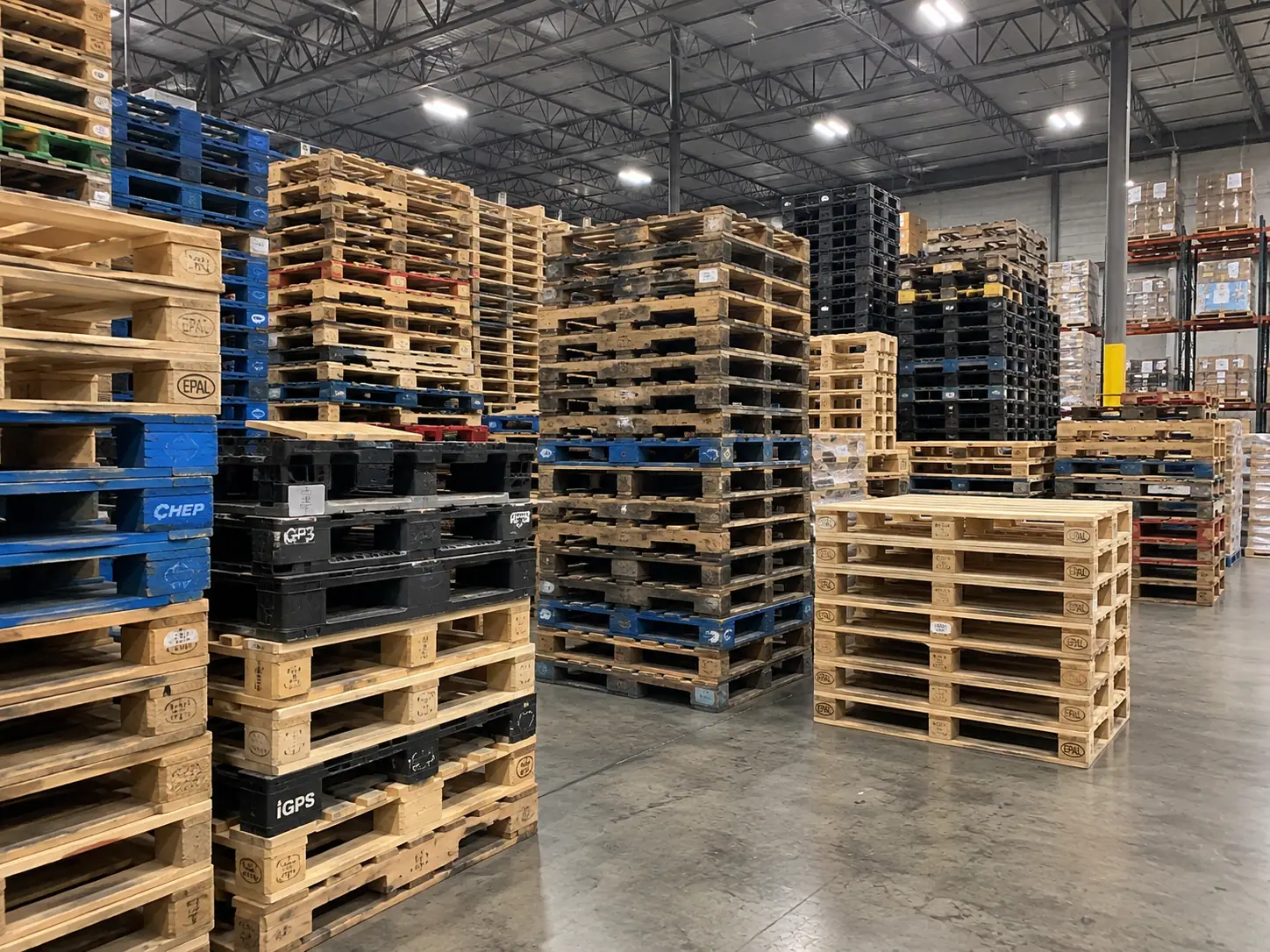
A recycled pallet population contains units from dozens of original manufacturers, built to slightly different patterns, repaired by different hands, at different moisture contents. Grade A guarantees structural soundness and a footprint within half an inch. It does not, and cannot, guarantee that every unit's bottom boards are in the same place.
We tell automated-handling customers this directly rather than selling them a problem. It is the single most common situation where we recommend new pallets, and it is not a difficult recommendation to make: a jam that stops a line for twenty minutes costs more than the annual price difference on a lot of pallets.
| Requirement | Typical AS/RS tolerance | Recycled Grade A | New, built to spec |
|---|---|---|---|
| Overall height | ± 3 mm | ± 6 mm | ± 2 mm |
| Squareness (diagonal difference) | ± 5 mm | ± 6 mm | ± 3 mm |
| Bottom board position | ± 5 mm | Varies by original build | As specified |
| Footprint | ± 5 mm | ± 12 mm | ± 3 mm |
| Loose or protruding members | None | None (checked) | None |
The middle ground that does exist
Not every automated system is equally demanding, and 'we have automation' covers everything from a single palletiser to a fully automated high-bay warehouse.
For lower-speed conveyors and semi-automated systems, tightly sorted recycled stock frequently works. We can sort to a tighter tolerance than standard Grade A — height-gauged and jig-checked — at a cost, and for some customers that is the right answer.
The honest test is what a jam costs you. If it is a nuisance, sorted recycled is worth trying. If it stops a shift, buy new and specify it properly.
What this does to the market
Slowly, it splits it. High-consistency applications move toward new pallets and toward block construction, which holds tolerance better than stringer pallets. Everything else — outbound shipping, which is most pallet movement by volume — stays with recycled stock, because none of these requirements apply.
It also increases the value of a well-run repair loop for automated fleets. If your pallets have to be consistent, the last thing you want is to replace them from a variable pool. You want the same population, maintained.
That is a service we are seeing more demand for than we expected five years ago: not selling pallets at all, but keeping an existing fleet in specification.