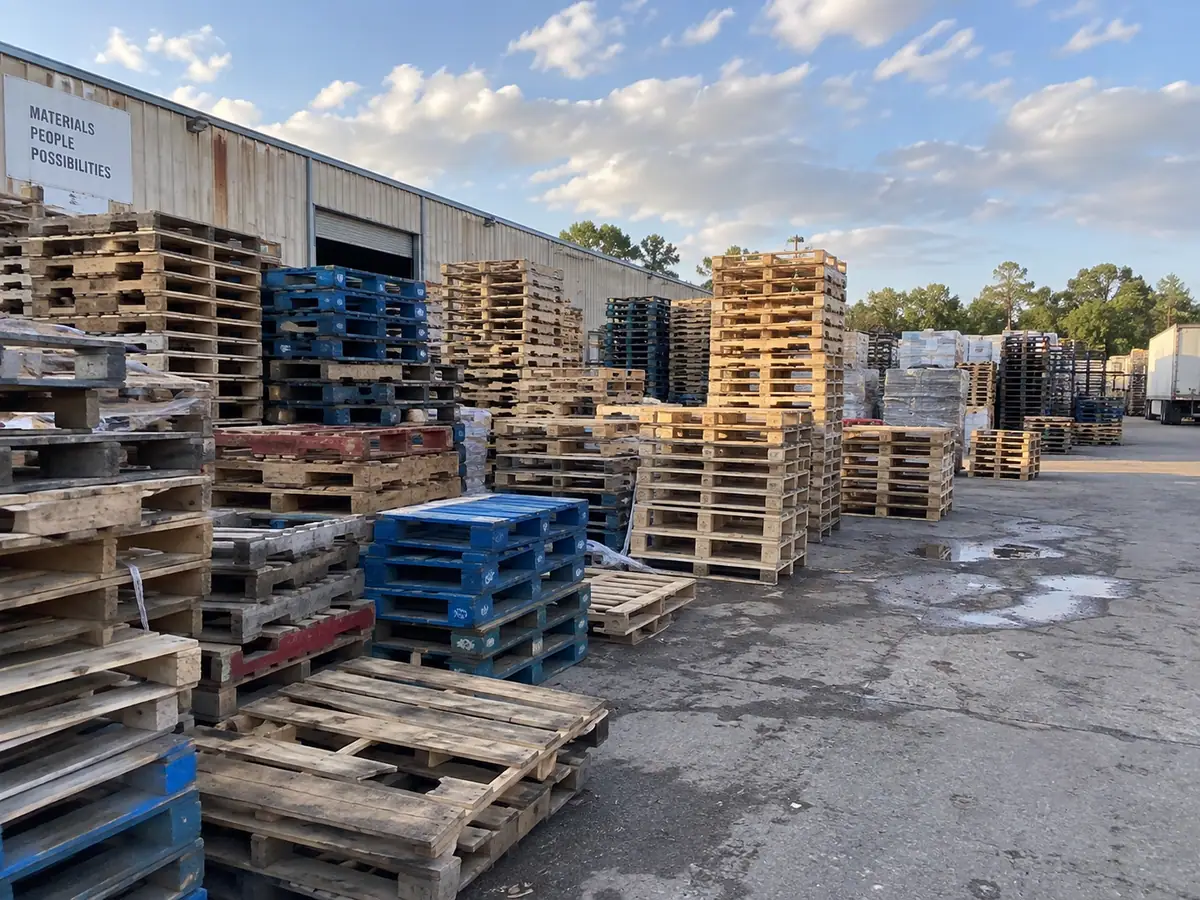
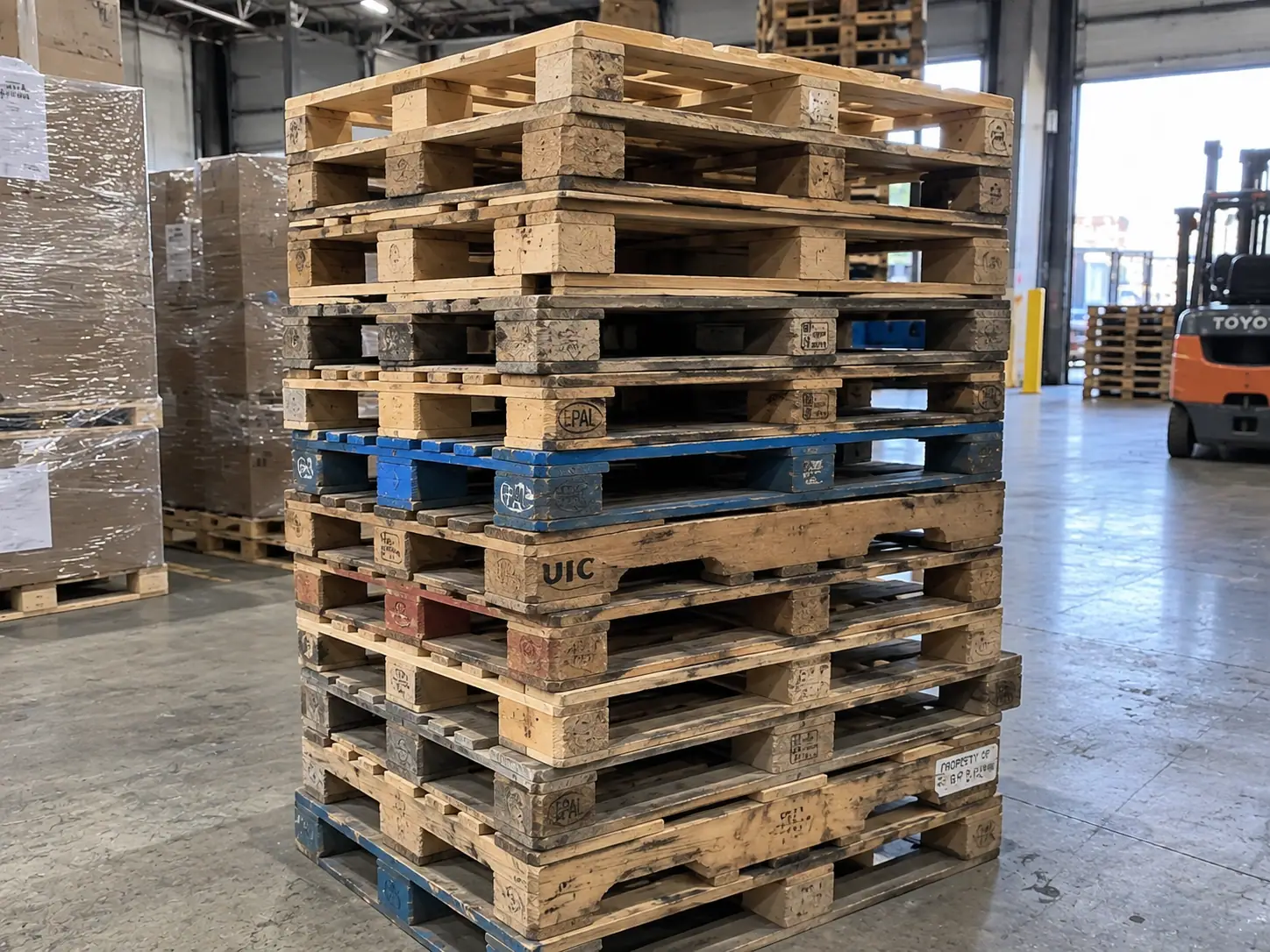
In July we wrote that core yield was down — more of what arrived needed work, fewer units went straight back out — and said we would know by December whether it was a wet spring or a structural shift.
It is now three quarters and the pattern has not corrected. That is worth writing down before we are sure what it means.
The numbers
Intake is flat. Straight reuse is down more than three points. Repair has absorbed almost exactly the difference, which is what a well-fed bench is supposed to do and is also more expensive per unit shipped.
| Measure | Q3 2025 | Q3 2026 | Change |
|---|---|---|---|
| Cores received | 412,000 | 419,000 | +1.7% |
| Straight-to-reuse share | 34.2% | 30.8% | −3.4 pts |
| Repaired share | 27.6% | 31.9% | +4.3 pts |
| Dismantled share | 26.9% | 26.4% | −0.5 pts |
| Grade A shipped | 151,000 | 144,000 | −4.6% |
| Average intake moisture | 13.8% | 14.6% | +0.8 pts |
Three explanations, and what we think
Weather. A wet spring degrades outdoor-stored cores. This was the leading candidate in July and it does not survive a dry Q3 — the moisture figure is up only slightly and the yield is still down.
Buyers running stock further. Operations under cost pressure holding pallets deeper into their service life, so what eventually reaches us has fewer cycles left. This fits the data and it fits what customers tell us.
A shift in our own intake mix. Two industrial contracts started in late 2025 and industrial material is structurally rougher than distribution stock. This is real and we think it explains perhaps a third of the movement.
Our current read is that it is mostly the second, partly the third, and not the first.
What it means if it is structural
- A permanently higher repair share, which is more expensive per unit shipped but has stable costs, because the bench runs on recovered lumber rather than on the lumber market.
- A tighter Grade A market, because fewer units qualify without work. Buyers who need Grade A should be booking rather than spot buying.
- More value in dismantling capacity, since repair is fed by it. This is where we would put capital if the pattern holds.
- Grade B and remanufactured stay plentiful, which for anyone shipping one-way is genuinely good news.
What we are doing
Building Grade A inventory harder than usual through the autumn, because if the yield problem persists into spring the squeeze will be worse than the calendar alone would suggest.
Watching the intake mix separately from the total, so we can tell the industrial-contract effect apart from the general one. We should have that split cleanly by December.
And telling customers now rather than in a year-end summary, because a buyer planning Q1 volume can act on this and a buyer reading about it in January cannot.