Every time softwood lumber trade policy moves, someone asks whether it affects recycled pallet pricing. The direct answer is no — we buy almost no new lumber — and the indirect answer is yes, substantially, with a delay.
Understanding the mechanism is worth a few minutes because it tells you when to buy rather than merely that prices might rise.
The direct effect is genuinely small
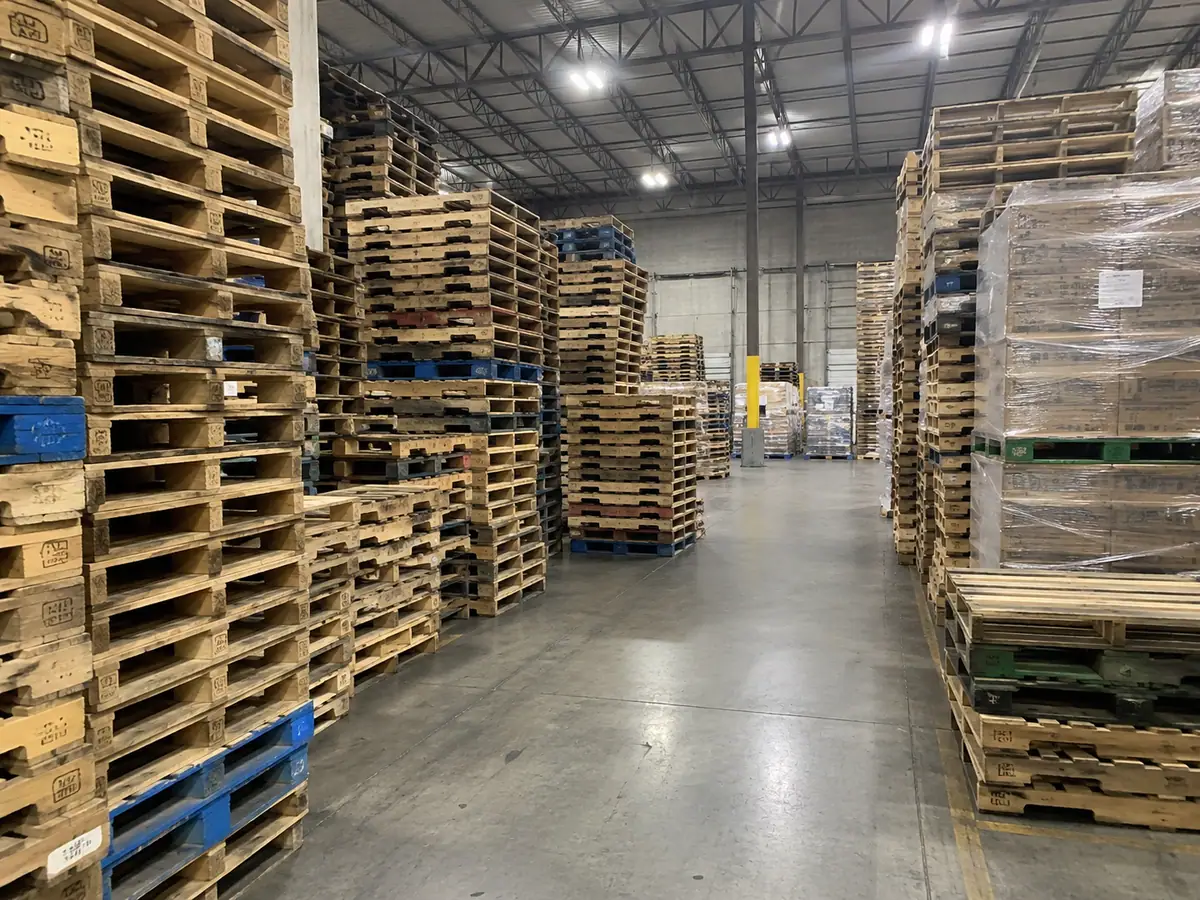
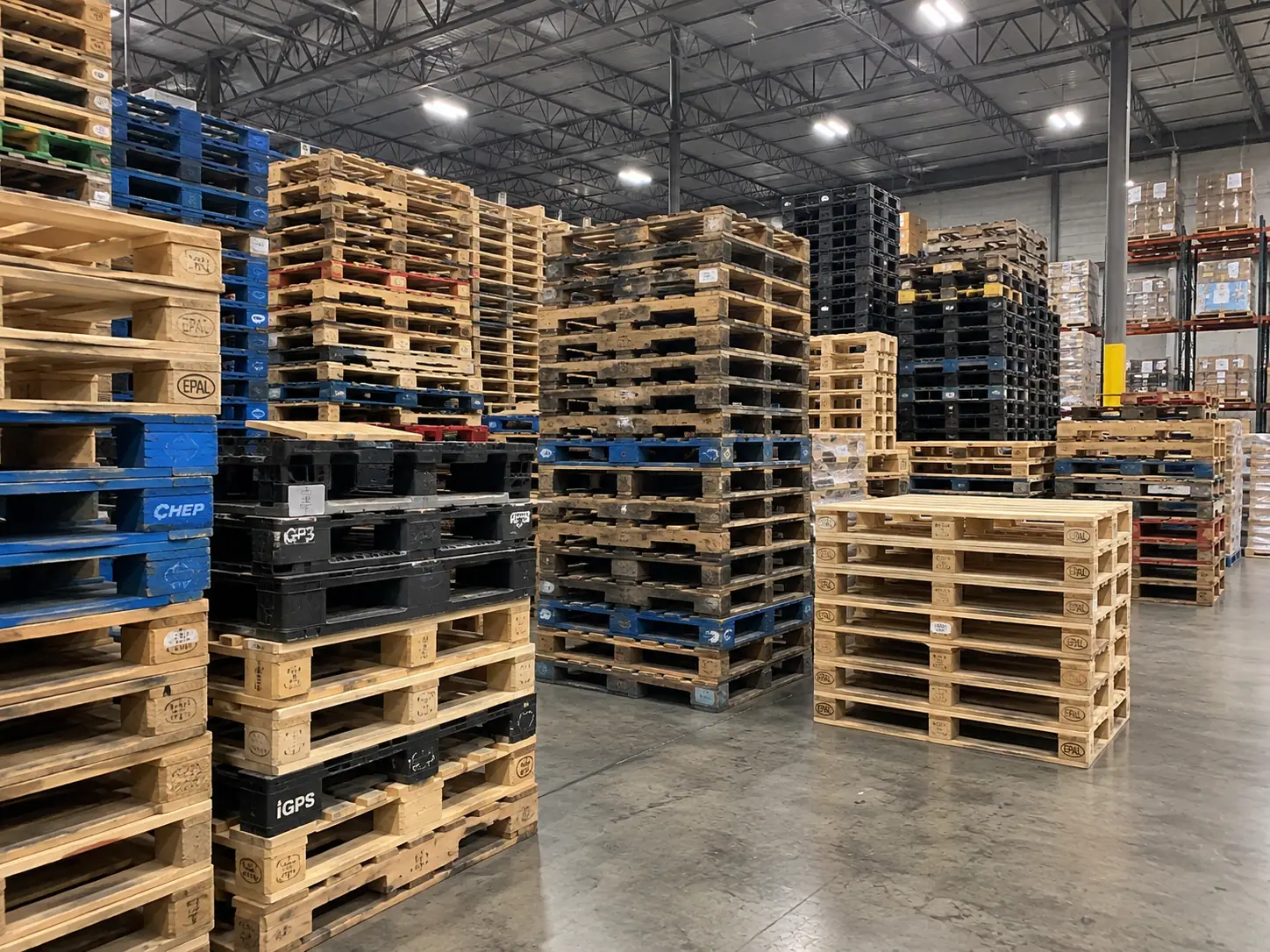
Our repair bench runs on lumber recovered from units we dismantled the same week. New material enters this yard only for specific builds where a customer's specification requires it, and that is a small fraction of what leaves.
So a measure that raises the delivered price of Canadian SPF changes our cost base very little. The graders, the dismantlers, the grinder and the diesel are unaffected.
That is why our quotes typically do not move in the week the announcement lands, which occasionally reads as slowness and is actually accuracy.
The transmission is substitution
New pallet manufacturers are exposed directly — lumber is 55 to 70% of their cost. When their input price rises, new pallet prices follow within a quarter.
Buyers at the margin then switch. An operation that had been buying new because the price gap was tolerable finds it is no longer tolerable, and moves to recycled. That additional demand lands on a supply of cores that cannot expand, and prices rise.
The lag is the time it takes for that switching decision to work through procurement cycles, and in our experience it runs about two quarters.
| Stage | Typical timing | What happens |
|---|---|---|
| Measure announced | T | Futures move; nothing physical changes |
| New pallet prices adjust | T + 1 to 2 months | Manufacturers pass through input cost |
| Buyers begin switching | T + 3 to 5 months | Procurement cycles turn over |
| Recycled demand rises | T + 4 to 6 months | Core supply cannot expand to meet it |
| Core acquisition prices rise | T + 5 to 7 months | Yards bid up for the same material |
| Recycled sell prices rise | T + 6 to 8 months | Cost pass-through |
Why it is asymmetric
Buyers move to recycled quickly when new gets painful, and move back reluctantly when it eases.
The reason is that the switch requires an evaluation — is Grade A recycled acceptable for our application? — and once that evaluation has been done and answered yes, there is no reason to redo it. The operation has discovered that recycled works, and going back would mean spending more for no benefit.
So each episode ratchets a little more volume permanently into the recycled market. That is a large part of why recycled share has grown steadily over the last decade regardless of what the lumber market did in any given year.
What to do if you are buying
- Do not wait for our prices to move before acting. The lag means you have a quarter or two of warning after new pallet prices adjust.
- Book volume when new pallet prices start rising, not when recycled prices start rising. By then you are bidding against everyone else who waited.
- Expect the effect to persist after the underlying measure eases, for the ratchet reason above.
- Check whether you actually need new. A meaningful share of the switching that happens under price pressure should have happened anyway.