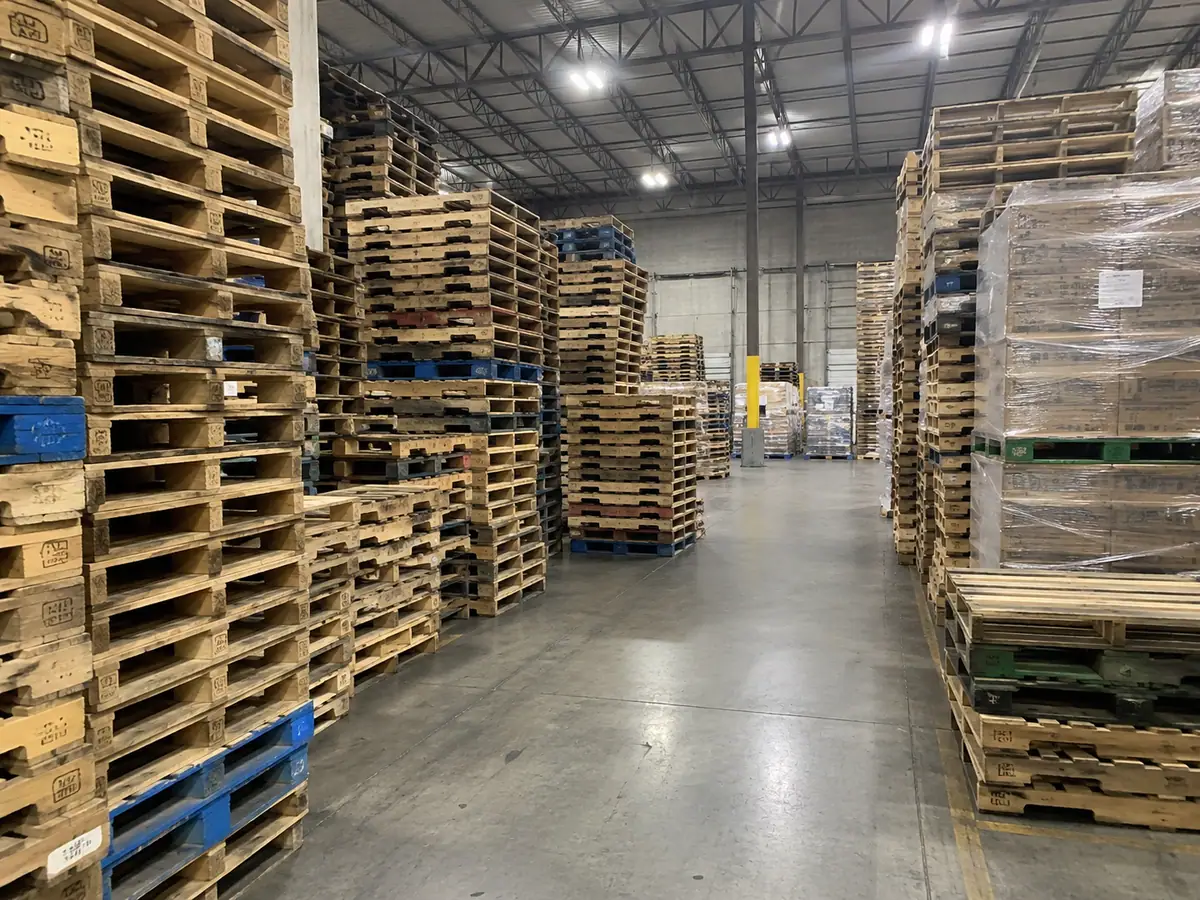
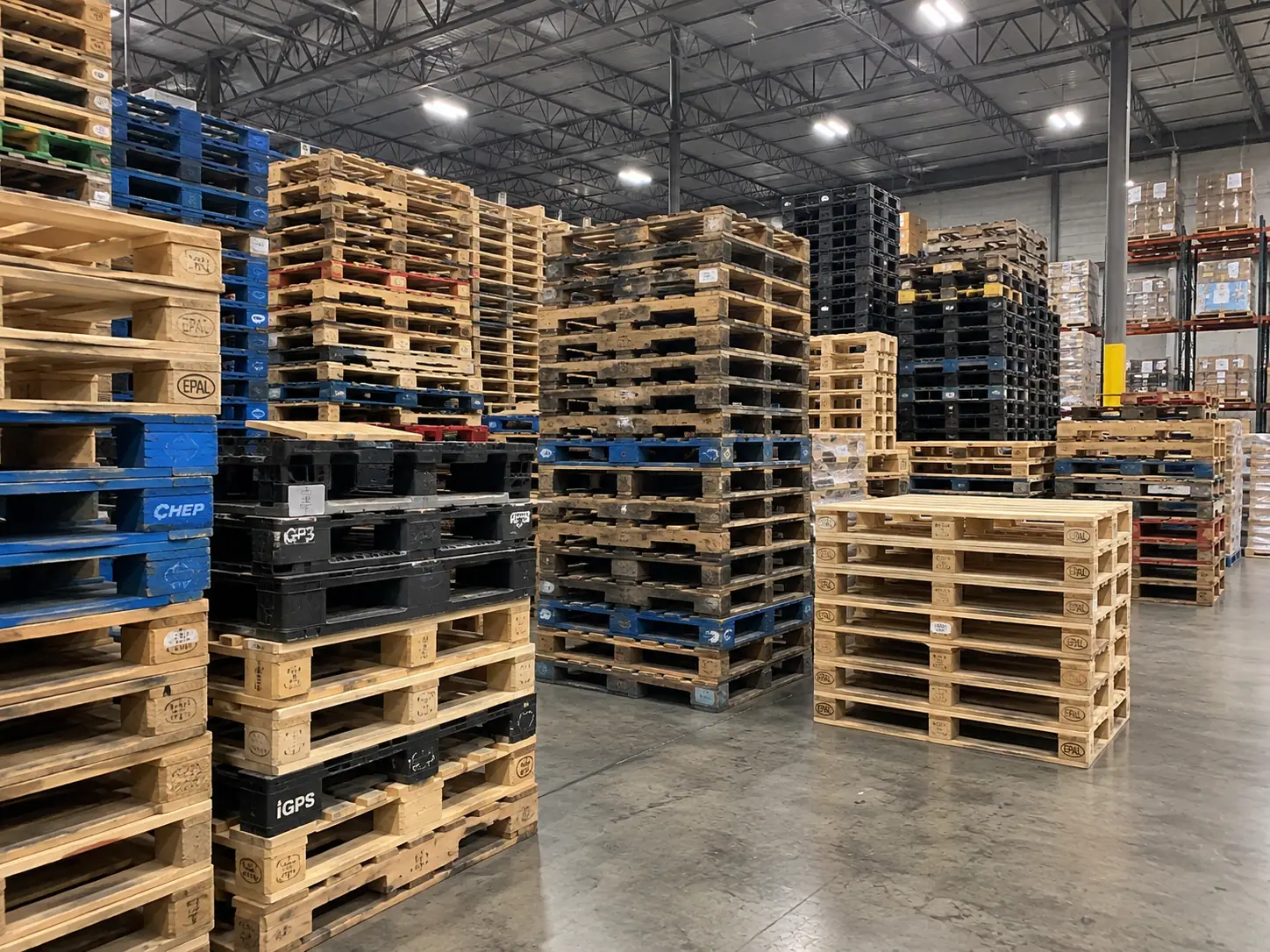
We sell pallets, so treat everything below with the appropriate scepticism. We are also the people who sort pooled units out of collection loads every week and return them, so we see what actually circulates rather than what the brochures describe.
The short version is that the ideological version of this debate is over. Almost nobody runs a pure pool or a pure owned fleet any more.
The two cost structures
Pooling converts a capital cost into a per-trip operating cost, and transfers most of the loss and damage risk to the operator. Ownership does the reverse: you buy the asset, you carry the loss, and you capture the residual value at end of life.
Neither is inherently cheaper. Which one wins depends almost entirely on your flow pattern — whether pallets leave and come back, and whether your receivers participate in the pool.
| Pooling | Owning | |
|---|---|---|
| Cost basis | Per trip | Per unit, amortised over cycles |
| Loss risk | Largely the operator's, with penalties | Entirely yours |
| Damage risk | Operator's, subject to fair use | Yours, mitigated by a repair loop |
| Quality consistency | High, standardised fleet | Whatever you buy and maintain |
| Administration | Significant — declarations, transfers, audits | Minimal |
| Footprint flexibility | None | Total |
| End-of-life value | Not yours | Real, for standard footprints |
What has genuinely changed
Retailer requirements have hardened in places and softened in others. Some large receivers effectively mandate pool participation; others have become considerably more relaxed about accepting graded recycled stock, particularly since 2021 when supply constraints made anyone dogmatic about pallet type look unreasonable.
The administrative burden is better understood. Ten years ago the paperwork was treated as a footnote. It is now, in our experience, the most common reason a smaller operation abandons a pooling arrangement — not the rate, but the declarations and reconciliations.
Recycled quality has improved. More yards grade to a published standard than did a decade ago, which narrows the consistency gap that used to be pooling's strongest argument.
The hybrid, which is what most people end up with
Pooled pallets for outbound shipments to receivers who participate. Owned, repaired stock for internal movement and for customers outside the pool.
It requires physically separating the two populations, which means marked storage areas and a briefing at shift change, and it requires one named person to own the split. In exchange you stop paying pool rates for internal laps and stop bleeding owned pallets into a pool network.
The single rule that matters: never sell a pooled pallet. Blue, red, brown and branded units belong to the operator. A legitimate recycler segregates them and returns them — we pull several hundred a week out of collection loads — and anyone offering to buy them from you is creating a problem that lands on you.
Where ownership still wins clearly
- Internal, plant-to-plant flow. A pool pallet doing internal laps is renting something you could own outright for less.
- Non-standard footprints. Pool fleets are standardised by design; that standardisation is most of their value and all of their inflexibility.
- Receivers outside the network. Paying pool rates for a one-way trip is the worst available outcome.
- Highly seasonal volume where you can buy in the trough. Ownership lets you time the market; pooling does not.